
 +918233833833
  knowledgecityschool@gmail.com
 Alcohol has many negative effects on our health, some of which may surprise you. These include short-term impacts such as waking up with a pounding head or anxiety, to long-term effects including cancer. What you drink makes a big difference in how well your kidneys function. There are no specific studies suggesting that certain types of alcohol are worse on the kidneys than others. If you’re thinking about trying or are currently using creatine supplements, there are some helpful tips to keep can drinking cause kidney pain in mind. Drinking alcohol reduces creatine’s benefits of building muscle and helping with endurance and recovery.

Some people accumulate toxic metabolites longer increasing organ injury risk. Both forms are serious but require different management approaches. Acute injury might be reversible with timely treatment and abstinence; chronic damage often progresses silently until advanced stages. Also, many beverages, such as water, tea, and grapefruit juice, can be beneficial for your overall health and may aid detoxification of the body and liver. When it comes to boosting liver health, lifestyle changes play an important role, but don’t overlook the power of nutrition. Any reduction in drinking will have some noticeable and immediate benefits to your brain and general health.
You’ll gain practical insights and expert advice to help you better understand and manage your kidney health, no matter where you are on your kidney journey. Crash diets are not good and can actually increase your risk of stones. For example, cystine stone sufferers might need to drink a lot more water. Knowing your needs can help you follow kidney stone prevention tips and lifestyle changes for kidney stone prevention.
The Effect of Alcohol on Electrolyte Balance Related to Kidneys
This might cause side effects like cramping, diarrhea, or nausea. To avoid these side effects, you can take smaller amounts (3 grams) over a longer time frame. Most people eat seafood and meat to reload or build their stored https://ecosoberhouse.com/ energy. You can also take creatine supplements to build up your levels. Incorporating adequate dietary fiber, aiming for a daily intake of 25 to 30 grams from sources like whole grains, fruits, and vegetables, is another proactive step.
Drug Detox and Withdrawal Symptoms
When the liver fails to process toxins efficiently, the kidneys are forced to compensate, leading to additional strain. This dual organ damage is particularly dangerous and can progress rapidly if alcohol consumption continues unchecked. For those at risk, seeking medical advice and considering alcohol cessation programs can be life-saving. Early intervention, coupled with lifestyle changes, offers the best chance to prevent or slow the progression of alcohol-induced kidney disease. Pre-existing health conditions can make individuals more susceptible to alcohol-induced kidney damage. Conditions such as hypertension, diabetes, or existing kidney disease can amplify the negative effects of alcohol on kidney function.
Can Moderate Alcohol Consumption Harm Kidneys?
Alcohol’s diuretic effect causes frequent urination, which can quickly deplete body fluids if not replenished properly. Dehydration thickens the blood and reduces plasma volume, forcing kidneys to work harder. High blood pressure (hypertension) is the top risk factor for death in the world. A small 2mmHg increase in blood pressure above the normal range (120mmHG) increases death from stroke by 10 per cent and from coronary artery disease by 7 per cent.
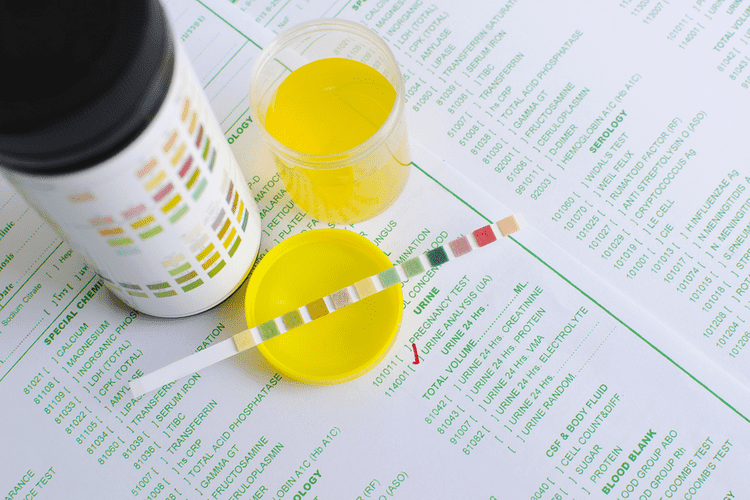
Including lean protein sources like chicken and legumes also benefits kidney health by reducing strain while providing essential nutrients. Overhydration isn’t beneficial either; it can strain kidneys by forcing them to work overtime. Balance is key here—sip steadily throughout the day rather than gulping large amounts infrequently. However, hydration needs can vary based on factors like age, activity level, and climate. While eight glasses a day is a popular guideline, it’s more important to listen to your body’s thirst signals and monitor urine color—pale yellow usually indicates good hydration.
Causes & Risk Factors
- Heavy drinking also increases the risk of developing Type 2 diabetes, which is responsible for a large percentage of chronic kidney disease cases.
- If you or your loved one have kidney problems caused by alcohol consumption, you may have an alcohol use disorder.
- Excessive alcohol consumption can lead to a condition known as alcoholic kidney disease, a serious yet often overlooked consequence of long-term drinking.
- This large protein physically obstructs and injures the kidney tubules, further contributing to AKI.
- You may wish to swap out hard liquor for beer or wine, since these have a lower alcohol content.
- Even moderate drinking can disrupt their delicate processes, but chronic heavy drinking poses the most significant risk.
Dehydration can greatly affect liver function, especially the ability to detoxify blood. On average, you should drink eight to ten glasses of water a day; those with certain health conditions may need to increase their water intake beyond the recommended amount. The liver is primarily responsible for breaking down alcohol into less harmful substances before excretion via kidneys or bile. Chronic heavy drinking damages liver cells causing fatty liver disease or cirrhosis. Excessive alcohol intake can damage kidneys by impairing their filtering ability and increasing the risk of kidney disease.
How Does Alcohol Affect Kidney Function and Cause Disease?
However, even within these limits, individuals with pre-existing kidney conditions, hypertension, or diabetes should exercise caution, as alcohol can exacerbate these issues. For example, alcohol raises blood pressure, a leading cause of CKD, and interferes with medications like ACE inhibitors or diuretics commonly prescribed for kidney health. Alcohol’s diuretic effect forces the kidneys to work overtime, increasing urine production and potentially leading to dehydration. This process disrupts Substance abuse the delicate balance of fluids and electrolytes in the body, which the kidneys are responsible for maintaining. Even moderate drinking can cause a temporary increase in urine output, but chronic heavy drinking can lead to more severe consequences.
- Doctronic is not a doctor, does not provide medical advice, does not practice medicine, and does not provide patient care.
- Cutting back on alcohol to less than two drinks a day can reduce blood pressure significantly, reducing risk of stroke and heart disease.
- Because alcohol is a substance the body must metabolize and eliminate, its consumption adds complexity to this delicate process.
- For every alcoholic beverage consumed, drink a full glass of water to counteract dehydration and reduce kidney stress.
- Drinking water dilutes these substances, making stone formation less likely.
These signs suggest that the kidneys are failing to properly filter waste and regulate fluids. The resulting dehydration and electrolyte imbalance forces the kidneys to work harder to maintain the proper concentration of salts and water in the blood. Simultaneously, the kidneys must also filter alcohol itself and its toxic metabolite, acetaldehyde, from the bloodstream. Binge drinking poses a significantly greater risk to the kidneys than regular moderate drinking.
If you have kidney stones, you may need to follow a special diet plan. First, your healthcare professional will run blood and urine tests to find out what kind of risk factors you may have. Then your healthcare professional will tell you the diet changes and medical treatment you need to prevent having kidney stones come back. Beyond fluid concerns, alcohol adds to the metabolic burden that dialysis is intended to relieve. Specific alcoholic beverages, such as beer, wine, and mixed drinks, contain measurable amounts of electrolytes like potassium and phosphorus.